

Understanding the Nature of Casino Games
Casino games can generally be categorized into two types: those that primarily rely on skill and strategy, and those that are largely dependent on chance. Games like poker and blackjack allow players to apply their knowledge and techniques, making decisions that can significantly influence the outcome, while the increasing popularity of online casino instant withdrawal options has made it easier for players to access their winnings. In contrast, games such as slots or roulette do not require skill and are entirely governed by random number generators or spinning wheels. This fundamental difference in design plays a vital role in understanding how luck and skill interact in the gambling experience.
In skill-based games, players can improve their odds through practice and strategy. Experienced poker players, for instance, study their opponents, calculate probabilities, and employ tactics to outsmart them. Their success is often a reflection of their dedication to honing their skills. On the other hand, in games rooted in luck, even the most expert player cannot control the outcome, emphasizing that these games are genuinely based on chance. The balance between luck and skill can shape a player’s approach to gambling and influence their results.
Additionally, the casino environment itself can impact how luck and skill are perceived. A player may feel that a streak of wins in a skill-based game is a testament to their abilities, whereas consistent losses in a luck-based game might reinforce the idea that luck is the ultimate determinant. Understanding these nuances helps both novice and seasoned gamblers navigate the complexities of their favorite games better and manage their expectations.
The Influence of Luck in Gambling
Luck is an undeniable element in the world of gambling, as it determines outcomes in many games. For players who engage in games of chance, their wins and losses are predominantly influenced by random outcomes. For example, in a game of roulette, the ball’s landing spot is determined by a combination of physics and randomness, and players have no control over where it will land. Because of this unpredictability, the role of luck is significant, and betting strategies often become secondary to the whims of fortune.
Moreover, psychological factors can amplify the perception of luck in casino gambling. Players may often recall their lucky moments vividly, attributing their wins to favorable circumstances, which can lead to a false sense of confidence. This phenomenon, known as the “gambler’s fallacy,” is when players believe that past outcomes can influence future results, despite the random nature of the games. In this way, luck can be both a thrill and a trap, as players navigate their experiences in the casino.
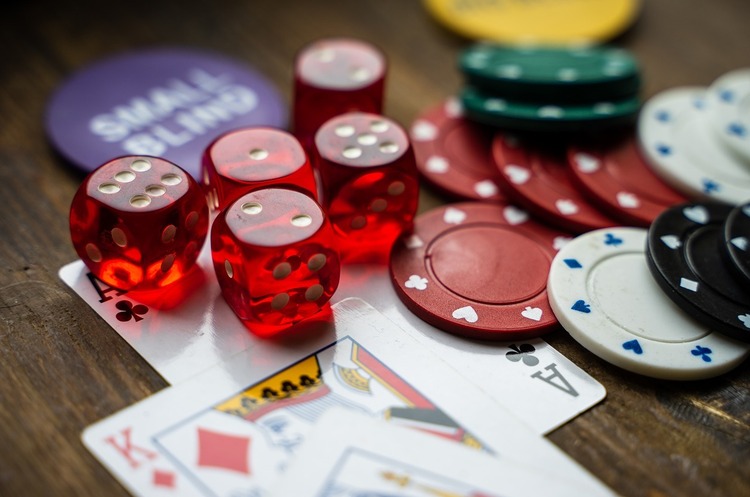
The allure of luck is one of the main attractions of gambling and can draw in people searching for excitement and an escape from the mundane. The idea of hitting a jackpot or striking a lucky streak adds an element of fantasy to the gambling experience. Yet, the unpredictable nature of luck means that no player can rely on it entirely, which creates a complex dynamic between the emotional highs of winning and the inevitable lows of losing.
The Importance of Skill in Strategy-Based Games
In contrast to luck, skill is a fundamental component of many casino games, requiring players to engage in strategic thinking and decision-making. Games like poker and blackjack are clear examples where a player’s knowledge and experience can lead to significantly better outcomes. In poker, for instance, understanding probabilities, reading opponents, and managing one’s own bankroll can create opportunities for success that are not available to those who merely rely on luck.
Skill can also manifest in the form of discipline. Successful gamblers often exhibit a keen ability to recognize when to take risks and when to employ caution. For example, a skilled blackjack player may know when to hit or stand based on the dealer’s face card, enhancing their chances of winning. Such strategic insights can transform a player’s approach, allowing them to tilt the odds in their favor despite the house edge that often exists in casino settings.
The importance of skill extends beyond just gaming mechanics; it encompasses a broader understanding of the gambling landscape. Savvy players familiarize themselves with the rules, variations, and subtleties of their chosen games. This knowledge not only boosts their confidence but can also significantly influence their overall experience, providing a clearer path to success amidst the haze of uncertainty that luck brings.
The Balance Between Luck and Skill
Understanding the interplay between luck and skill is crucial for any gambler looking to find their niche in the casino world. While luck can lead to unexpected wins, skill can pave the way for consistent winnings over time. This balance is particularly evident in games like poker, where players may encounter both highly skilled opponents and luck-driven outcomes. A formidable player understands that while they may possess the skills to improve their chances, luck can always play a decisive role in any individual hand.

The balance between luck and skill can also influence player behavior and learning. While some may view gambling purely as a game of chance and walk away after a loss, others may be encouraged to strategize and learn from their experiences in skill-based games. This dynamic creates a rich gambling culture where players can share insights, improving not only their skills but also their enjoyment of the games they love.
Furthermore, the blend of luck and skill highlights the significance of bankroll management. Players who leverage their skills effectively can often mitigate the impact of luck by making informed decisions about their betting strategies. By recognizing when to capitalize on a good run of luck or when to cut their losses, players can navigate the highs and lows of gambling more adeptly, ensuring a more sustainable approach to their gaming endeavors.
Finding Your Path in Casino Gambling
When players enter the world of casino gambling, they often confront the question of how to best balance luck and skill. Understanding this equilibrium can lead to a more fulfilling and sustainable gambling experience. Those drawn to the thrill of chance can invest time in games of luck, while others seeking a strategic challenge may find satisfaction in skill-based games. Identifying one’s preferences and strengths is essential in carving a path in the diverse landscape of gambling.
Additionally, educational resources and communities focused on skill-based games can provide invaluable support for players. Many platforms offer tutorials, forums, and articles that delve into strategies for improving one’s gameplay. Engaging with fellow enthusiasts can foster a sense of belonging and create opportunities for shared learning. For instance, poker players often gather in groups to analyze hands and hone their skills collectively.
Ultimately, it is this exploration of luck and skill that enriches the casino experience. By taking the time to understand both elements and recognizing where one’s strengths lie, players can enjoy gambling in a way that feels rewarding. This appreciation for the dual nature of gambling not only enhances the experience but also promotes responsible gaming practices that can sustain joy in the long run.